
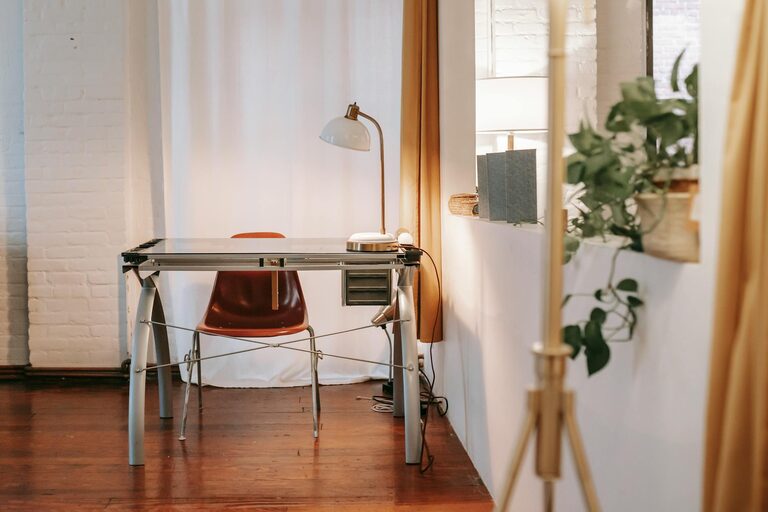
Creating a cozy and inviting home workspace is essential for staying motivated and productive, especially when working remotely. Your environment can greatly influence your mood, focus, and energy levels. Whether you have a dedicated room or just a small corner, there are plenty of ways to design a space that feels comfortable and inspiring. In this post, we’ll explore practical tips to help you create a home workspace that you’ll look forward to using every day.
Choose the Right Spot
Prioritize Natural Light
Natural light can improve your mood and reduce eye strain. Set up your workspace near a window if possible. If natural light is limited, use warm, soft lighting to create a welcoming atmosphere.
Consider Noise Levels
Select a quiet area where you can focus without distractions. If your home tends to be noisy, consider noise-cancelling headphones or adding soundproofing elements like rugs and curtains.
Invest in Comfortable Furniture
Ergonomic Chair
An ergonomic chair supports your posture and reduces back pain. Look for one with adjustable height, lumbar support, and comfortable cushioning.
Functional Desk
Choose a desk that fits your space and work style. It should be large enough to hold your essentials but not overwhelming in a small room. Standing desks or adjustable desks are great options for added health benefits.
Personalize Your Space
Add Soothing Colors
Colors influence mood. Soft, neutral tones like beige, light gray, or pastel shades create a calm environment. Add pops of color with accessories like cushions, artwork, or plants.
Include Personal Items
Incorporate items that bring you joy or inspiration, such as photos, motivational quotes, or favorite books. These elements make your space uniquely yours and more pleasant to spend time in.
Organize Wisely
Declutter Regularly
A cluttered desk can distract and stress you. Keep only what you need on your desk and store other items in drawers or shelves.
Use Storage Solutions
Invest in organizers, trays, or filing cabinets to keep paperwork and supplies tidy. Labeling containers can help you find things quickly and maintain order.
Incorporate Greenery
Plants add life and improve air quality. Choose low-maintenance varieties like succulents, pothos, or spider plants if you’re new to plant care. Place them near your desk or on shelves.
Pay Attention to Lighting
Layer Your Lighting
Combine natural light, task lighting (like a desk lamp), and ambient lighting to avoid harsh shadows and eye strain.
Use Warm Bulbs
Opt for warm white bulbs around 2700K–3000K as they create a cozy, inviting glow that’s easier on the eyes during long work sessions.
Add Comfort Elements
Soft Textiles
Use cushions or a small throw blanket on your chair for added comfort. A rug under your workspace can make the area feel warmer and cozier.
Temperature Control
Ensure your workspace stays at a comfortable temperature. Use a fan or heater if needed and try to maintain good airflow.
Minimize Digital Distractions
Manage Cables
Keep cables organized and out of sight using clips or sleeves to maintain a clean and tidy look.
Set Boundaries
If possible, designate your workspace for work only to separate it from relaxation areas. This helps mentally switch between work mode and downtime.
Create a Relaxation Corner
If your space allows, include a small area for breaks. A comfy chair or floor cushion with your favorite book or some calming music can help you recharge during the day.
Final Thoughts
Designing a cozy and inviting home workspace doesn’t require a complete makeover. Small, thoughtful changes can transform your area into a place that motivates you and makes working from home a pleasure. Experiment with these tips and customize your setup to fit your lifestyle and preferences. With the right environment, you’ll find yourself more focused, comfortable, and inspired every day.