
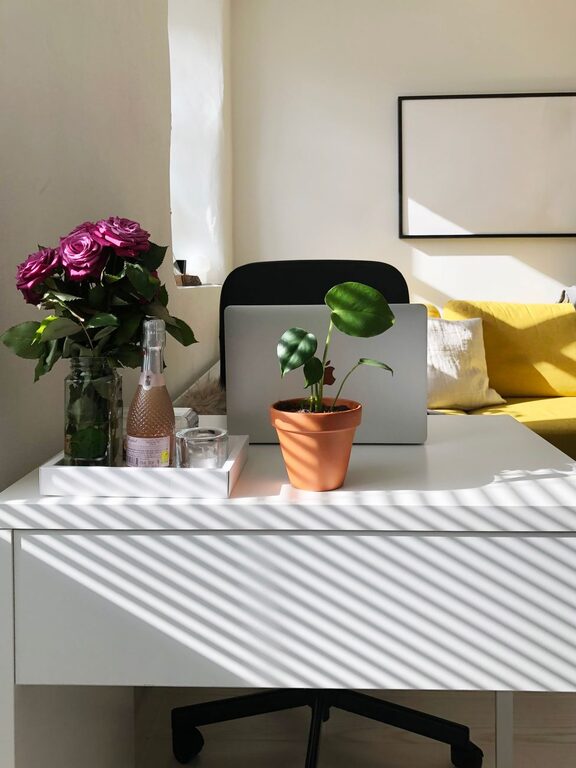
Creating a comfortable and productive home office space is essential for anyone working remotely or managing tasks from home. A well-designed workspace can boost concentration, reduce stress, and improve overall work quality. Whether you have a dedicated room or just a corner of your living space, these tips will help you create an environment that supports your daily tasks and helps you maintain a healthy work-life balance.
Choose the Right Location
Consider Lighting and Noise Levels
When selecting a spot for your home office, look for a place with plenty of natural light. Daylight can improve mood and energy, making it easier to stay focused. Avoid areas with excessive noise or distractions, such as near a busy street or a television, to help minimize interruptions during work hours.
Think About Space and Privacy
If possible, choose a location with enough room to comfortably fit your desk, chair, and equipment without feeling cramped. A separate room is ideal, as it provides privacy and helps you mentally separate work from leisure time. If a separate room is not available, use room dividers or screens to create boundaries.
Invest in Ergonomic Furniture
Select a Comfortable Chair
One of the most important pieces of office furniture is a supportive chair that promotes good posture. Look for adjustable features such as seat height, backrest angle, and lumbar support. Taking care of your back and avoiding strain can prevent discomfort and long-term health issues.
Choose the Right Desk
Your desk should allow you to work comfortably, keeping your arms and wrists in a natural position when typing or writing. Consider desk height and the availability of storage. If space is limited, compact or foldable desks can be practical options.
Organize Your Workspace Efficiently
Keep Essentials Within Reach
Arrange your frequently used items like pens, notebooks, and computer accessories close at hand. This reduces time spent searching for things and maintains focus.
Use Storage Solutions
Incorporate shelves, drawers, or filing cabinets to keep papers and supplies organized. Decluttering your workspace can enhance productivity and reduce stress.
Manage Cables
Tidy cables with clips, sleeves, or under-desk trays to keep your desk neat and prevent tangling, making cleaning easier and avoiding distractions.
Optimize Lighting
Combine Natural and Artificial Light
Maximize natural light during the day by positioning your desk near a window. For evening work or darker spaces, use adjustable LED desk lamps or overhead lighting that doesn’t cause glare on your screen.
Avoid Screen Glare
Place your computer screen perpendicular to windows to minimize reflections. This helps reduce eye strain and headaches during long periods of screen time.
Create a Pleasant Atmosphere
Add Personal Touches
Decorate your space with plants, artwork, or items that inspire you. Plants improve air quality and add a calming touch, while personal items can boost motivation.
Control Temperature and Ventilation
Make sure your home office is well-ventilated and maintains a comfortable temperature year-round. Use fans, heaters, or windows to regulate airflow and keep your workspace inviting.
Set Boundaries to Increase Productivity
Define Work Hours
Establish a clear schedule to separate work time from personal time. Communicate your availability to family or housemates to minimize interruptions.
Designate a ‘Work-Only’ Zone
Using your home office solely for professional tasks helps signal to your brain that it’s time to focus. Avoid activities like watching TV or exercising in this space.
Take Regular Breaks and Stay Active
Follow the 20-20-20 Rule
Every 20 minutes, look at something 20 feet away for at least 20 seconds to reduce eye strain.
Incorporate Movement
Stand up, stretch, or take short walks to relieve tension and maintain energy levels throughout the day.
Use Technology to Your Advantage
Invest in Reliable Equipment
A good quality computer, headset, and internet connection can enhance your work experience and prevent frustration caused by technical issues.
Utilize Productivity Tools
Apps for time management, task lists, or focus assistance can help you stay organized and on track.
—
By implementing these tips, you can design a home office space that supports both comfort and productivity. The key is to tailor the environment to your personal needs while maintaining an organized and inspiring workspace. With the right setup, working from home can become an enjoyable and efficient experience.