
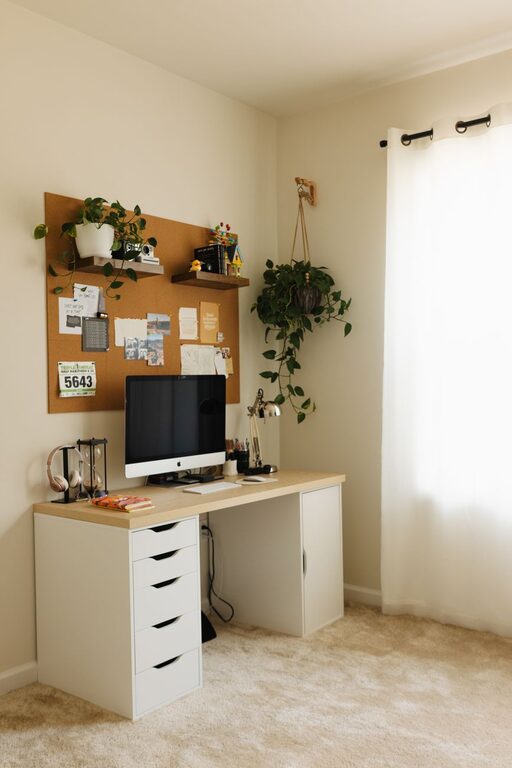
Creating a home office that is both cozy and productive can make a significant difference in your workday experience. Whether you work remotely full-time or occasionally bring work home, having a dedicated space that supports focus and comfort is essential. Below, we explore practical tips and ideas to help you create a home office environment that encourages productivity while feeling welcoming.
Finding the Right Location
Choosing the right spot in your home is the first step in setting up an effective workspace.
– Consider natural light: A spot near a window offers natural light, which can improve mood and alertness.
– Minimize distractions: Select a quieter area away from high-traffic rooms like kitchens or living rooms.
– Space for essentials: Make sure there’s enough room for your desk, chair, and storage needs without feeling cramped.
Designing for Comfort and Ergonomics
Comfort directly affects your ability to stay focused and avoid physical strain.
– Invest in a quality chair: Look for an ergonomic chair that supports your back and encourages good posture.
– Desk height matters: Your desk should allow your elbows to rest at about a 90-degree angle when typing.
– Adjustable accessories: Consider monitor stands, keyboard trays, or footrests to customize your setup.
Organizing Your Workspace
A clutter-free and organized workspace supports mental clarity and efficiency.
– Use storage solutions: Shelves, drawers, and bins keep documents and supplies tidy.
– Keep essentials handy: Use desk organizers so you can quickly find pens, notebooks, or chargers.
– Regular decluttering: Set aside a few minutes each day to clear your desk and prepare for the next day.
Choosing Colors and Decor
Colors and decorations affect how your space feels and how motivated you are to work.
– Calming colors: Soft blues, greens, or neutrals can create a relaxing atmosphere.
– Add personal touches: Include artwork, plants, or photos that inspire but don’t distract.
– Limit clutter: Avoid overcrowding walls or desks to maintain a clean and open feeling.
Incorporating Technology Efficiently
Technology should enhance your work without causing frustration.
– Reliable internet: A strong Wi-Fi connection or wired option helps maintain productivity.
– Cable management: Use clips, sleeves, or boxes to keep cords organized and out of the way.
– Functional equipment: Ensure your computer, printer, and other devices are up to date and meet your needs.
Enhancing Lighting
Proper lighting reduces eye strain and helps keep you alert.
– Balance natural and artificial light: Use a combination of daylight and adjustable task lamps.
– Avoid glare: Position screens perpendicular to windows and use blinds or curtains to control sunlight.
– Consider warm lighting: Warm-colored bulbs create a cozy mood but ensure they are bright enough for detailed work.
Setting Boundaries and Routine
Creating a physical and mental boundary between work and personal life supports productivity and wellbeing.
– Define office hours: Having a schedule helps your brain shift into work mode.
– Separate work from relaxation: When possible, keep your office space distinct from areas you use for leisure.
– Take breaks: Short, regular breaks help maintain focus and reduce fatigue.
Adding Comfort Elements
Small touches can make your workspace more enjoyable.
– Soft textiles: A comfortable cushion, throw blanket, or rug can enhance coziness.
– Temperature control: Use fans, heaters, or open windows to maintain a comfortable temperature.
– Fresh air and plants: Indoor plants improve air quality and add a refreshing feel to your office.
Final Thoughts
Creating a cozy and productive home office is about balancing comfort, function, and aesthetics. By dedicating time to plan your space, investing in ergonomic furniture, organizing thoughtfully, and personalizing your environment, you can build a workspace that supports your best work. Small adjustments can lead to big improvements in how you feel and perform throughout the day. Start with these tips and adapt your home office to suit your unique needs.